“Nothing from the steer goes to waste”: beyond beef itself, offal,
despite some consumer bias, is used in human food, the
pet market, and various industrial applications, including
medicine and pharmaceutical manufacturing.
Author: Rafaela Facchina. Analyst Team: Alcides Torres •
Fábio Takaku • Felipe Fabbri • Gustavo Duprat • Isabela Stevanatto
• Juliana Pila • Lorenzo Cracco • Marcelo Roschel • Mariana
Hauschild • Pedro Gonçalves • Roselena Sestari • Rodrigo de Mundo
• Stéfany Souza. Responsible Journalist: Talita Aparecida Peixoto
Dias – MTB 0022766/MG. Layout: Bela Magrela.
Scot Consultoria is not responsible for business transactions
carried out based on information contained in this report. All
rights reserved. This report was prepared for use by its
subscribers and staff. Reproduction requires written
authorization from Scot Consultoria.
“Nothing from the steer goes to waste”: beyond beef itself, offal,
despite some consumer bias, is used in human food, the pet
market, and various industrial applications, including medicine and
pharmaceutical manufacturing.
1 · What Is Offal
Every steer slaughtered generates, in addition to the carcass, a
set of organs, viscera, and usable parts that are directed to
human consumption, the food industry, the pet market,
the pharmaceutical industry, and other industrial sectors.
According to the Regulation for the Industrial and Sanitary
Inspection of Products of Animal Origin (RIISPOA), offal is
defined as the organs and parts of slaughtered animals considered
fit for human consumption by official veterinary inspection. In
cattle, this includes the brain, tongue, heart, liver, kidneys,
rumen, reticulum, omasum, tail, and feet (mocotó).
Depending on regional consumption habits or the requirements of
importing countries, other parts may also be used, such as
lungs, spleen, spinal cord, mammary gland, testicles, lips,
cheeks, cartilage, and other parts covered by complementary
standards, if they are not classified as risk materials.
Tripe products, on the other hand, are not classified as offal.
This category includes the intestines, bladder, and other
viscera used as natural casings for sausages after specific
technical processing.
Parts that do not meet the requirements for human consumption
also hold economic value and are mainly used to produce animal
feed ingredients, fertilizers, and other industrial products.
Photo: Freepik
2 · Use and Consumption
Offal per steer
39.6kg
Steer ~419kg live weight
Of live weight
9.5%
Share of offal
Of carcass
19.0%
Weight equivalent
Among these, the rumen stands out at 9.1 kg, the intestines at
9.0 kg, the reticulum at 4.8 kg, the liver at 4.7 kg, and the
lungs at 2.2 kg. The remaining offal, including tail, tongue,
heart, omasum, spleen, kidneys, testicles, brain, abomasum
mucosa, throat, bladder, and spinal cord, each contributes a
smaller share but together add up to 7.77 kg.
The commercial use of these products varies depending on the
type of offal and the target market. Consumption for food
purposes tends to be more closely tied to culture and culinary
tradition than to lower prices compared to meat cuts.
For human consumption, liver is the most widely accepted item in
Brazil, thanks to how easy it is to prepare, its competitive
price, and its high nutritional value, being rich in protein,
iron, vitamin A, and B vitamins. It is also often recommended in
diets to treat anemia, although intake should be moderate due to
its high cholesterol and vitamin A content.
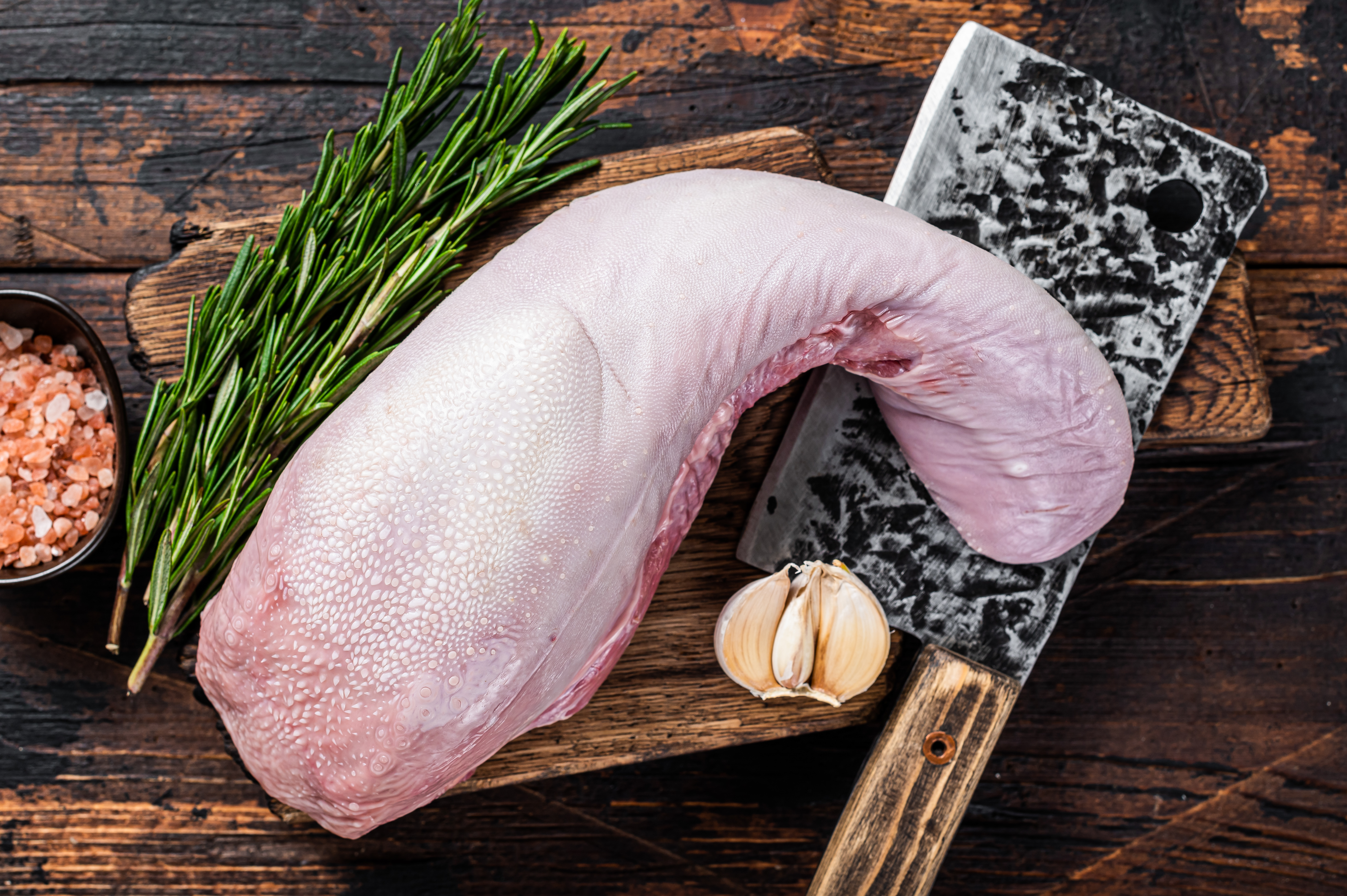
Tongue is also well accepted among consumers, both in Brazil,
used in sauces, preserves, and barbecues, and in several other
countries, where it is a traditional ingredient in dishes across
Mexico, the United States, France, Belgium, and Germany.
Heart is also widely used in cooking and can be easily found in
supermarkets. It is valued for its high protein, iron, zinc,
selenium, and coenzyme Q10, and is typically prepared as steaks
or pot roasts, while increasingly finding its way onto barbecue
menus.
Photo: Freepik
Some offal items are tied to regional culture, such as mocotó
(beef feet), traditional mainly in Brazil's Northeast and South,
where it is part of local cuisine and, in some regions such as
Rio Grande do Sul, is even eaten for breakfast. Its origins date
back to slavery, when less valued parts of the animal were used
for food, though today the dish is regarded as a regional
delicacy.
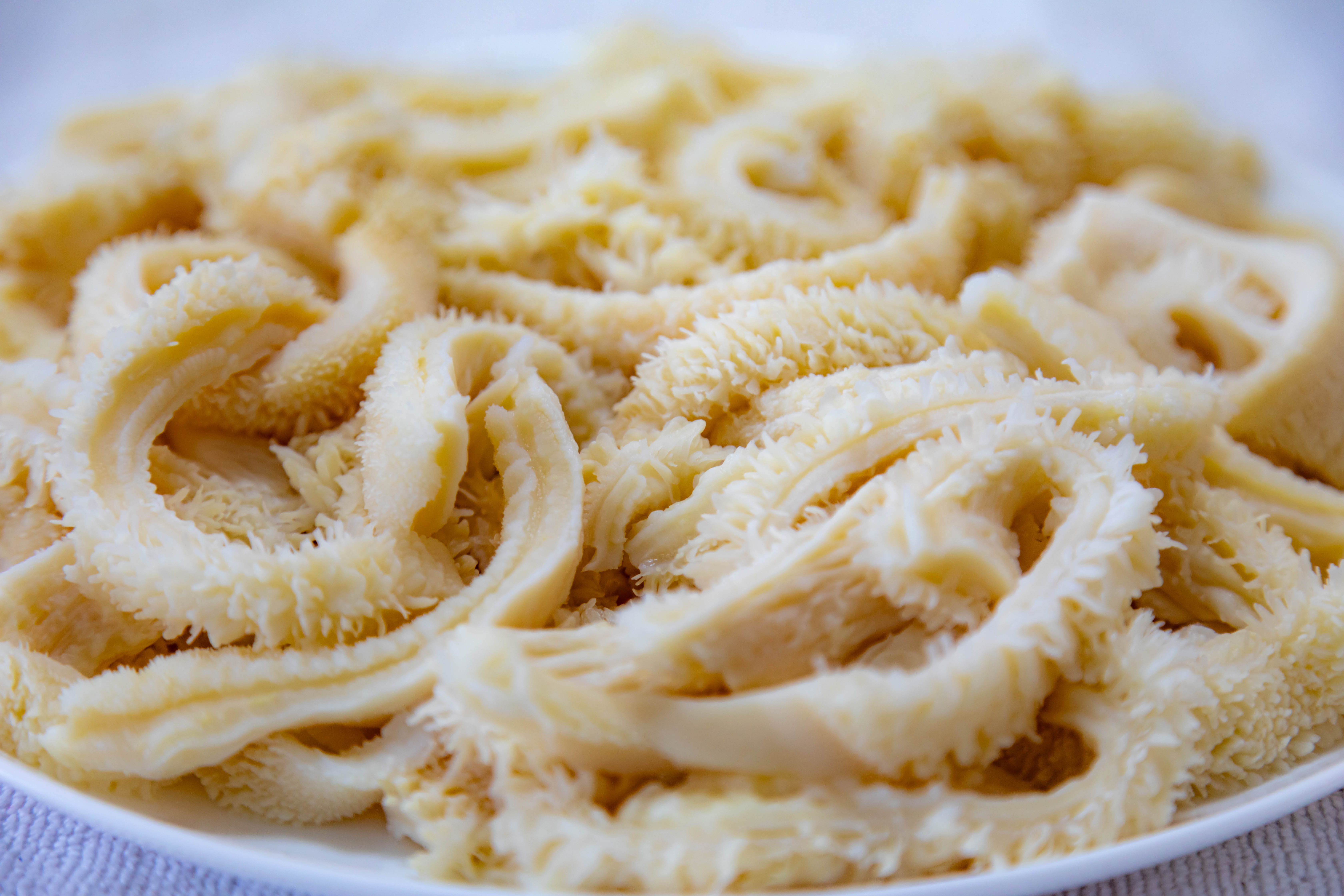
Tail, used to prepare rabada (oxtail stew), also holds a
prominent place in Brazilian cuisine, while dobradinha (tripe
stew) and other offal-based dishes remain popular mainly in
specific regions of the country.
In Asian markets, especially China, some offal items carry an
even higher added value. Bovine pizzle, for example, is mostly
sold in the pet segment as a chew treat but is
considered a delicacy in Chinese cuisine due to its ties to the
country's traditional medicine.
Beyond direct consumption, offal is also used as raw material
for processed meat products, if it meets the sanitary
requirements set by RIISPOA. For this purpose, it must be free
of fat, lymph nodes, glands, gallbladder, pericardial sac,
cartilage, tendons, large blood vessels, clots, and other
tissues unfit for consumption. On the other hand, intestines,
tonsils, salivary glands, mammary glands, ovaries, spleen, and
other structures defined by regulation cannot be used in the
manufacture of meat products.
3 · Other Markets
The use of offal also extends to other markets.
In the pet segment, heart, esophagus, trachea, and
aorta are mainly sold as dehydrated natural treats or
ingredients for natural diets, thanks to their high protein
content and good palatability.
In the pharmaceutical and biomaterials industries, some organs
carry high added value. Lung tissue is used to obtain heparin,
an anticoagulant widely used in medicine. Bovine pericardium is
used to manufacture biomaterials for cardiovascular surgery,
while the pancreas provides raw material for pancreatin-based
medications used in enzyme replacement therapy.
4 · Foreign Trade
There are no records of offal imports, but Brazil is an
exporter.
Hong Kong is the largest destination for Brazilian beef offal,
accounting for around 1.7 million tons exported, a volume
roughly 7.8 times higher than that imported by Ivory Coast, the
second-largest buyer (figure 1).
Figure 1
Top five importers of edible bovine offal since 1997, in
thousand tons.
Comex · through May
Source: Comex · Prepared by Scot Consultoria
Hong Kong's leadership is also linked to its role as a major
re-export hub. As a free port, the territory facilitates trade
with Mainland China and other Asian markets and is widely used
as a distribution center offering access to different logistics
routes.
Photo: Shutterstock
Beyond this factor, Chinese demand also contributes to this
scenario, since bovine offal holds strong cultural and
gastronomic value in the country.
In traditional Chinese medicine, several organs are associated
with health benefits, longevity, and beauty, which helps
sustain part of this consumption.
In Japan, the extensive use of these parts is also linked to the
concept of mottainai, which values making full use of
food and fighting waste.
Figure 2
Annual imports of edible bovine offal by Hong Kong, in
thousand tons.
Comex · 1997–2025
Source: Comex · Prepared by Scot Consultoria
When it comes to inedible offal, export volume is lower compared
to items intended for human consumption. Pancreas, used in
pharmaceutical manufacturing, totaled around 4.0 thousand tons
exported, with roughly 3.5 thousand tons going to South Africa.
Sectioned pericardium, in turn, totaled around 15 tons exported
in the same period, of which 10 tons went to Costa Rica.
5 · Sanitary Aspects
All of this depends on strict compliance with sanitary
protocols. RIISPOA establishes that offal can only be sold after
approval by official veterinary inspection.
During slaughter, evisceration must preserve the correspondence
between carcass and organs, allowing for proper
post-mortem inspection. In this process, all organs
undergo visual assessment, palpation, smell testing, and, when
necessary, incisions. Organs with lesions or contamination may
be condemned individually or, in cases of systemic involvement,
result in condemnation of the whole carcass. The regulation also
sets criteria for chilling, freezing, transport, and mandatory
removal of Specified Risk Materials (SRM), as well as
conditional treatments using cold, heat, or salting in specific
situations.
As a result, the economic use of offal is directly tied to
sanitary compliance and the proper allocation of each product.
6 · References
COMEX STAT. Ministério do Desenvolvimento, Indústria, Comércio e
Serviços. Disponível em: https://comexstat.mdic.gov.br/pt/home.
ENGORMIX. Rendimento integral de bovinos após abate. Disponível em:
https://pt.engormix.com/pecuaria-corte/pre-abate-abate/rendimento-integral-bovinos-apos_a38093/.
RIISPOA – Regulamento de Inspeção Industrial e Sanitária de Produtos
de Origem Animal. Decreto nº 9.013, de 29 de março de 2017,
atualizado pelo Decreto nº 10.468, de 18 de agosto de 2020.
Disponível em:
https://wp.ufpel.edu.br/inspleite/files/2020/10/RIISPOA-ALTERADO-E-ATUALIZADO-2020.pdf.
UNIVERSIDADE ESTADUAL DE GOIÁS (UEG). Eficiência produtiva e
econômica em confinamentos de bovinos de corte: estudo de caso.
2023. Disponível em:
https://repositorio.ueg.br/jspui/bitstream/riueg/6066/2/MG%20619%200111-2023.pdf.
UNIVERSIDADE DO OESTE DE SANTA CATARINA (UNOESC). Artigo científico
(ApeuX). Disponível em:
https://periodicos.unoesc.edu.br/apeux/article/view/13501.
UNIVERSIDADE FEDERAL DE VIÇOSA (UFV). Economic gains from
crop-livestock integration in relation to conventional systems.
Disponível em:
https://locus.ufv.br/items/22b419c9-269b-4ac0-affe-8410f57aa642.